Top Trends in AI-Driven Quality Control for Construction


Introduction to AI-Driven Quality Control in Construction
The construction industry has been undergoing a significant transformation with the integration of artificial intelligence (AI). One of the most impactful areas of this transformation is in quality control. AI-driven quality control is revolutionizing how construction projects are monitored and managed, ensuring higher standards and efficiency.
Enhancing Precision with Machine Learning
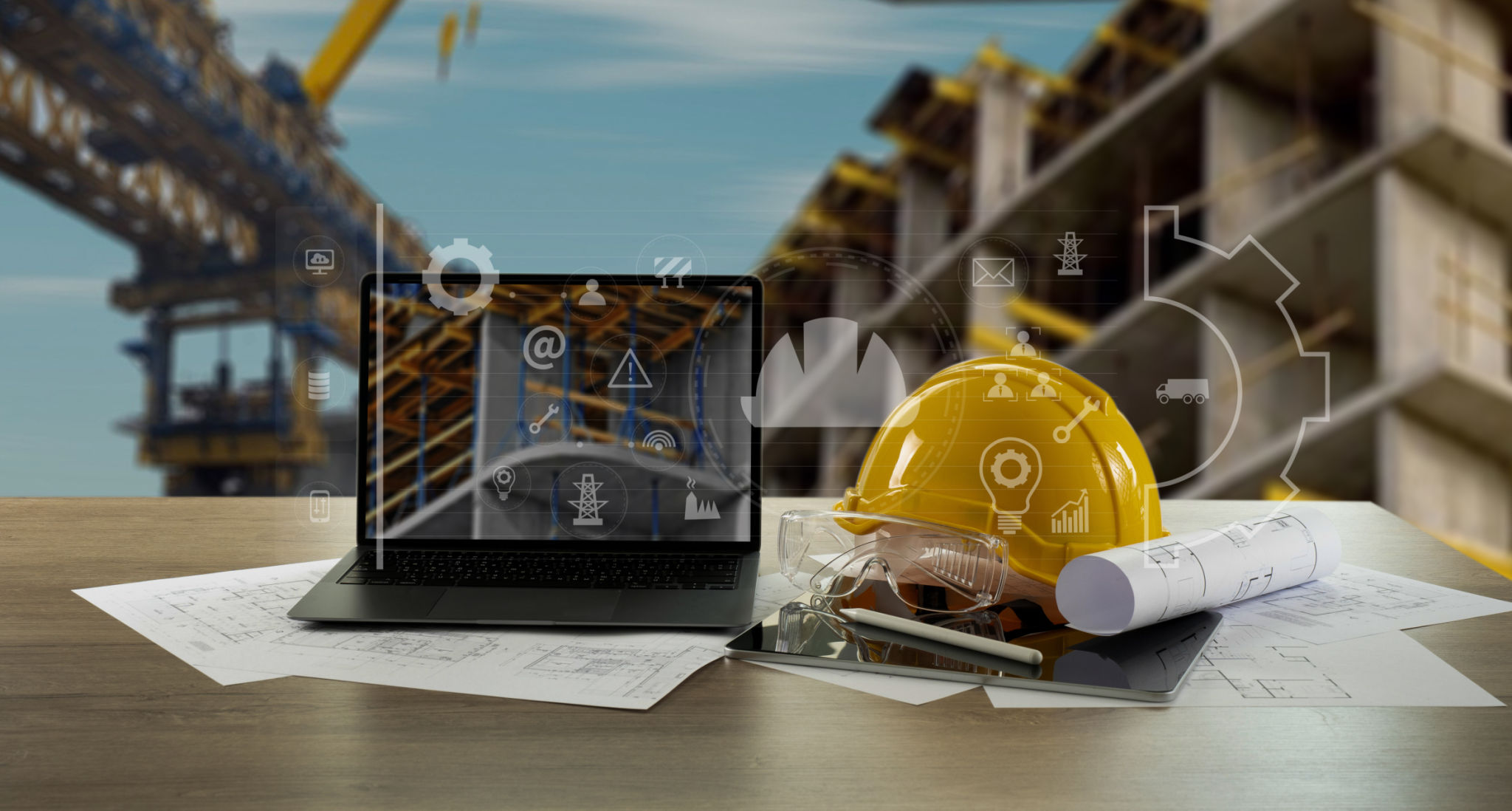
Machine learning algorithms are at the core of AI-driven quality control. These algorithms analyze vast amounts of data to detect patterns and anomalies that might be invisible to human inspectors. This capability allows for the early identification of potential issues, reducing the likelihood of costly rework and delays.
For example, AI can analyze images from construction sites to detect structural defects or deviations from design specifications. This level of precision helps in maintaining high quality and safety standards across projects.
Automating Inspections
AI-driven systems automate the inspection process by using drones and sensors. Drones equipped with cameras and LiDAR technology capture detailed images and create 3D models of construction sites. These models are then analyzed by AI algorithms to assess the quality of work and ensure compliance with project specifications.

Predictive Analytics for Proactive Quality Management
Predictive analytics is another major trend in AI-driven quality control. By analyzing historical data and current project conditions, AI can predict potential quality issues before they arise. This proactive approach allows project managers to address problems early, minimizing disruption and maintaining project timelines.
Using predictive analytics, construction companies can optimize resource allocation, ensuring that the right materials and personnel are available when needed. This not only improves quality but also enhances overall project efficiency.
Improving Decision Making with Real-Time Data
Real-time data collection and analysis enable faster and more informed decision-making. AI systems continuously monitor construction processes, providing instant feedback and insights. This real-time information allows project managers to make adjustments on the fly, ensuring quality standards are consistently met.

Integration of IoT and AI
The integration of Internet of Things (IoT) devices with AI-driven quality control systems is another burgeoning trend. IoT devices collect data from various parts of a construction site, such as temperature, humidity, and equipment performance. AI then analyzes this data to ensure optimal conditions for construction activities.
This integration facilitates a more comprehensive and dynamic approach to quality control, as it enables continuous monitoring and adjustment of processes to meet quality standards.
Challenges and Considerations
While AI-driven quality control offers numerous benefits, it also presents some challenges. Implementing these advanced systems requires significant investment in technology and training. Additionally, there is a need for standardized protocols to ensure data security and privacy.
Despite these challenges, the advantages of AI-driven quality control in construction are undeniable, paving the way for a future where construction projects are completed with unprecedented quality and efficiency.