Leveraging AI for Safer Construction Sites: A Comprehensive Guide


Introduction to AI in Construction
Artificial Intelligence (AI) is revolutionizing industries around the world, and the construction sector is no exception. By integrating AI technologies into construction processes, companies can significantly enhance safety on job sites. This comprehensive guide explores how leveraging AI can lead to safer construction environments, ultimately protecting workers and improving project outcomes.
AI-Powered Safety Monitoring
Construction sites are dynamic and often hazardous environments. AI-powered safety monitoring systems can help mitigate these risks by continuously analyzing site conditions. Cameras equipped with computer vision can detect unsafe behaviors or potential hazards, alerting supervisors in real-time. This allows for immediate corrective actions, reducing the likelihood of accidents.
Real-Time Data Analysis
AI systems can process vast amounts of data quickly, providing insights that human workers might miss. By evaluating data from various sensors and devices, AI can identify patterns that indicate potential safety threats. This proactive approach enables construction managers to implement preventive measures before incidents occur.

Enhancing Worker Safety with Wearable Technology
Wearable technology equipped with AI capabilities is becoming a staple on construction sites. These devices can monitor workers' vital signs and environmental conditions, providing crucial data to ensure their well-being. If a worker's heart rate spikes or if they are exposed to extreme temperatures, the system can send alerts to supervisors to take necessary actions.
Augmented Reality for Training
Augmented Reality (AR) combined with AI offers innovative training solutions for construction workers. Through immersive simulations, workers can experience realistic scenarios in a controlled environment, learning how to respond to potential safety threats effectively. This hands-on training enhances their preparedness and confidence on actual job sites.

Automating Hazardous Tasks
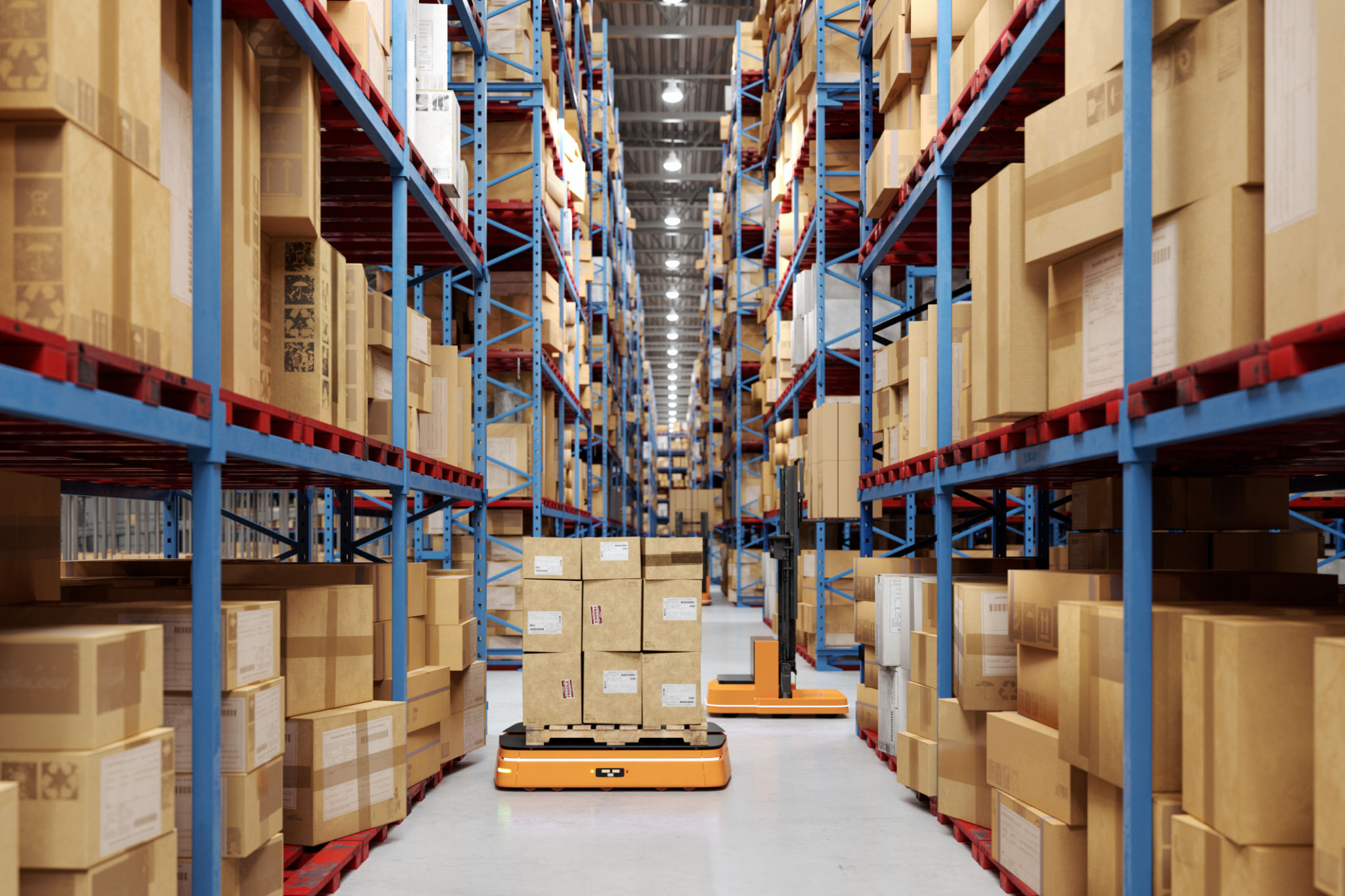
AI-driven automation is transforming how hazardous tasks are performed on construction sites. Robots and drones can now handle dangerous duties such as demolition, high-altitude inspections, or material transportation, reducing risks for human workers. By taking over these tasks, AI technology minimizes the likelihood of accidents while maintaining efficiency.
Predictive Maintenance
AI algorithms can predict when equipment is likely to fail, allowing for timely maintenance and repairs. This proactive approach not only reduces downtime but also ensures that machinery operates safely, preventing accidents caused by equipment malfunctions.
Conclusion: Building a Safer Future
The integration of AI in construction is paving the way for safer, more efficient job sites. By harnessing the power of AI for monitoring, training, automation, and predictive maintenance, construction companies can protect their most valuable asset—their workers. As technology continues to evolve, the potential for creating safer construction environments will only grow, promising a brighter future for the industry.