How AI is Revolutionizing Quality Control in Infrastructure Projects


Introduction to AI in Infrastructure Projects
Artificial Intelligence (AI) is rapidly transforming various industries, and the field of infrastructure is no exception. With the increasing complexity and scale of infrastructure projects, ensuring quality control is crucial. AI technologies are now playing a pivotal role in enhancing the quality and efficiency of these projects.
By integrating AI into infrastructure projects, companies can significantly streamline processes, reduce errors, and ensure that projects are completed on time and within budget. The use of AI in quality control not only improves the construction phase but also benefits the long-term maintenance and management of infrastructure.

AI-Powered Predictive Analytics
One of the most significant contributions of AI to quality control in infrastructure is its ability to provide predictive analytics. By analyzing historical data and current project parameters, AI can predict potential issues before they arise. This proactive approach allows project managers to address problems before they escalate, saving both time and resources.
Predictive analytics also enhances decision-making processes by providing data-driven insights. This leads to more accurate forecasts regarding project timelines, costs, and resource allocation, ensuring that projects are executed efficiently.
Automated Inspection and Monitoring
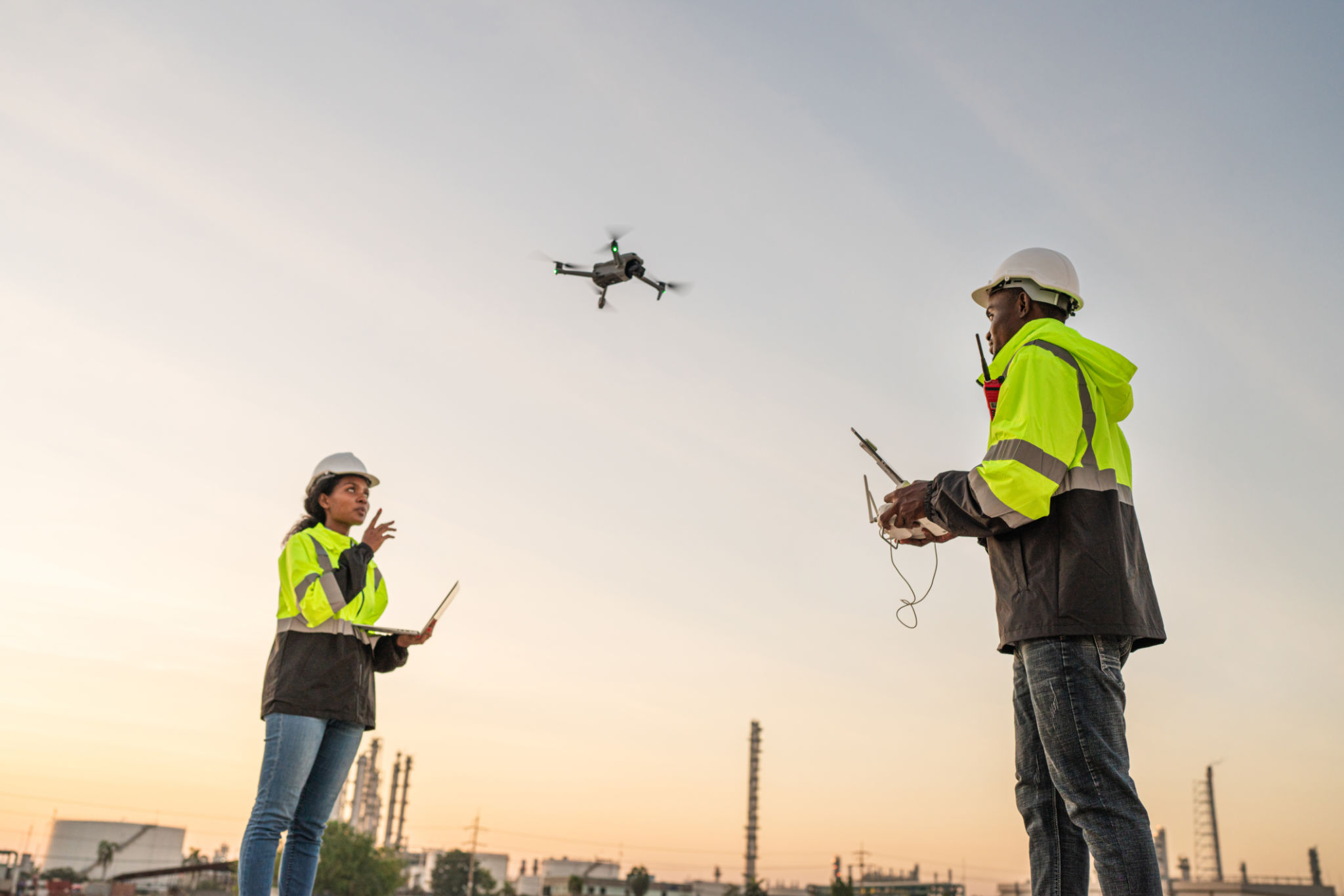
AI technologies have enabled the automation of inspection and monitoring tasks, which are essential for maintaining high-quality standards in infrastructure projects. Drones equipped with AI software can conduct aerial surveys, capturing images and data that are analyzed in real-time to identify defects or deviations from design specifications.
This automated process reduces the need for manual inspections, which are often time-consuming and prone to human error. Additionally, AI-driven monitoring systems can operate continuously, providing real-time updates on project status and highlighting areas that need immediate attention.
Enhancing Safety Standards
Safety is a paramount concern in any infrastructure project. AI contributes to enhanced safety measures by identifying potential hazards and suggesting preventive actions. Machine learning algorithms can analyze patterns in accident data to predict where and when accidents are likely to happen, allowing for preemptive measures.
Furthermore, AI systems can monitor the health and safety compliance of workers on-site, ensuring adherence to safety protocols. This not only protects workers but also minimizes project delays caused by accidents or regulatory breaches.
Quality Assurance Through Computer Vision
Computer vision, a subset of AI, plays a critical role in quality assurance for infrastructure projects. By analyzing images and videos from construction sites, computer vision systems can detect anomalies such as cracks, misalignments, or material defects that might be missed by the human eye.
This technology enables more thorough inspections and ensures that any issues are rectified promptly. The result is a higher quality of construction work that meets or exceeds industry standards.

Conclusion: The Future of Quality Control
The integration of AI into quality control processes marks a significant advancement in the field of infrastructure. As AI technologies continue to evolve, their applications in construction will expand, offering even greater benefits in terms of efficiency, cost savings, and safety.
For companies involved in infrastructure projects, adopting AI-driven quality control measures is no longer an option but a necessity. By embracing these technologies, businesses can ensure that they remain competitive in an ever-evolving industry landscape.