Debunking Myths About AI in Construction


Understanding AI in Construction
The construction industry is undergoing a transformation with the integration of Artificial Intelligence (AI). However, several myths and misconceptions have emerged, leading to confusion and hesitation in adopting these technologies. This post aims to address and debunk these myths, providing a clearer picture of AI's role in construction.
Myth 1: AI Will Replace Human Workers
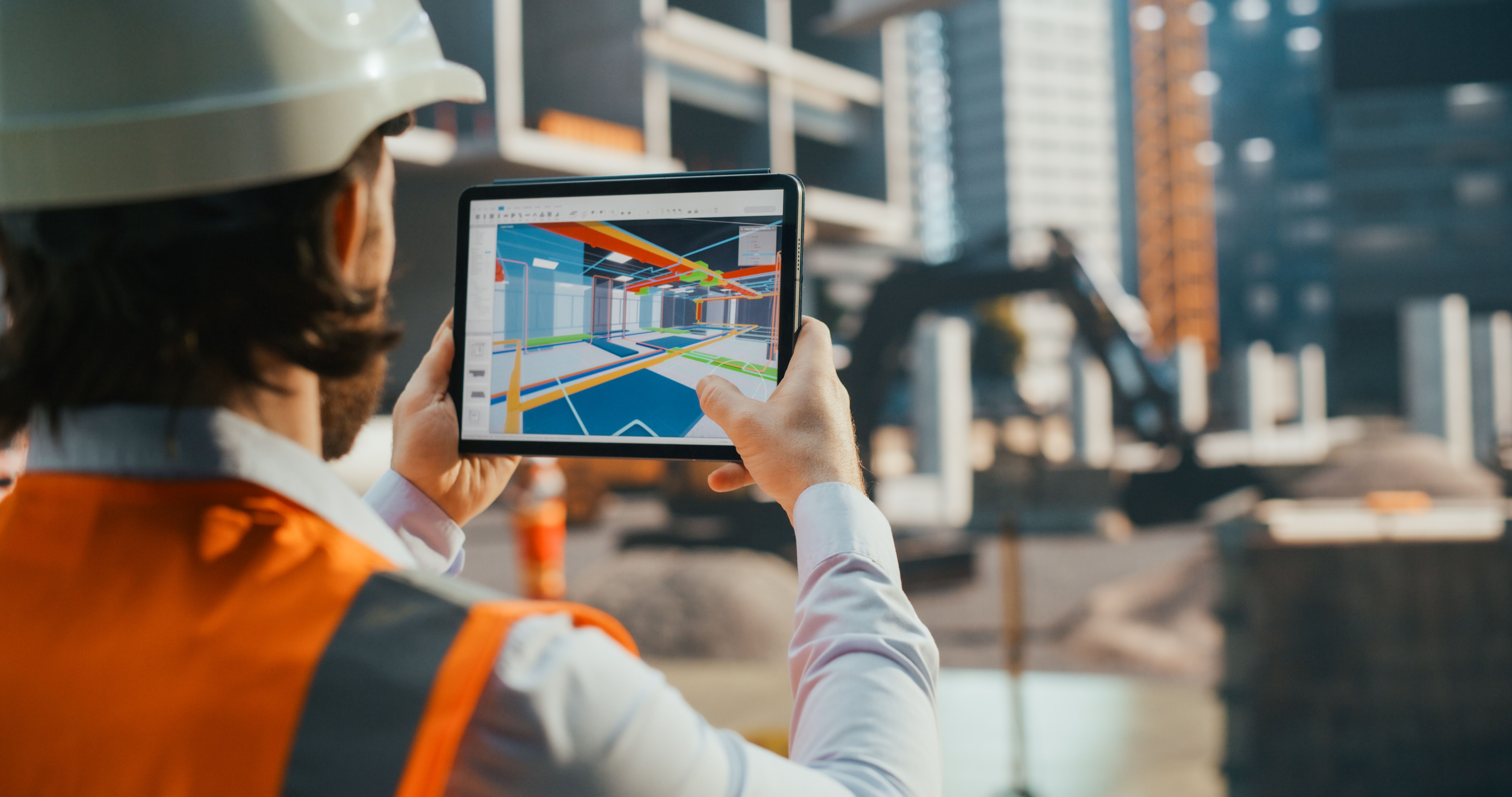
A common concern is that AI will lead to massive job losses in construction. In reality, AI is not meant to replace human workers but to enhance their capabilities. By automating repetitive tasks and analyzing complex data, AI allows workers to focus on more skilled and strategic aspects of their jobs, increasing overall productivity and safety.
According to industry experts, AI can actually create new job opportunities by requiring skilled individuals to manage and maintain these advanced technologies. This shift emphasizes the need for upskilling the workforce to adapt to changing roles.
Myth 2: AI Is Too Expensive for Small Firms
Another misconception is that AI technologies are only affordable for large construction companies with extensive budgets. While initial investments might seem daunting, the long-term benefits often outweigh the costs. AI can lead to significant savings by improving project accuracy, reducing waste, and minimizing delays.
Many AI solutions are scalable, allowing smaller firms to implement them gradually. Additionally, as technology advances, costs are expected to decrease, making AI more accessible to businesses of all sizes.
Myth 3: AI Is Too Complex to Implement
Some believe that integrating AI into construction processes is overly complex and requires extensive technical expertise. However, many AI tools are designed to be user-friendly and intuitive, allowing companies to implement them with minimal disruption.
Collaboration with AI specialists and investing in training can further ease the transition, ensuring that employees are comfortable using new systems. The key is to start small and gradually expand AI capabilities as the team becomes more confident.

Myth 4: AI Only Benefits New Projects
It's often assumed that AI is only useful for new construction projects. In truth, AI can greatly benefit existing projects through predictive maintenance, project management, and safety monitoring. By analyzing data from ongoing projects, AI can help optimize resource allocation and forecast potential issues before they escalate.
Furthermore, AI's ability to learn from past projects allows it to provide insights that can enhance future endeavors, making it a valuable tool for both new and ongoing construction activities.
The Real Impact of AI in Construction
By dispelling these myths, it's clear that AI offers numerous advantages to the construction industry. From improving efficiency and safety to creating new job opportunities, AI is set to play a pivotal role in the future of construction.
Embracing AI technologies can lead to more sustainable and innovative construction practices, ultimately benefiting companies, workers, and clients alike.