A Comprehensive Guide to AI-Enhanced Project Planning for Construction


Introduction to AI-Enhanced Project Planning
The construction industry is undergoing a digital transformation, with AI playing a pivotal role in reshaping project planning. AI-enhanced project planning offers a range of benefits, from increased efficiency to reduced costs. This guide explores how AI can be integrated into construction planning to optimize processes and outcomes.

Understanding AI in Construction
AI in construction involves using machine learning algorithms and data analytics to improve decision-making processes. By analyzing large datasets, AI can predict potential obstacles and propose solutions, ensuring smoother project execution. This predictive capability is crucial for timely project completion.
Several AI tools can assist in various aspects of construction planning, including design optimization, resource management, and risk assessment. These tools help in creating more accurate project timelines and budgets.
Key Benefits of AI-Enhanced Planning
Integrating AI into project planning offers multiple advantages:
- Improved Efficiency: AI automates repetitive tasks, freeing up human resources for more strategic roles.
- Cost Reduction: By predicting potential issues, AI helps avoid costly delays and overruns.
- Enhanced Accuracy: AI algorithms process data with high precision, leading to more accurate project estimates.
AI Tools for Construction Planning
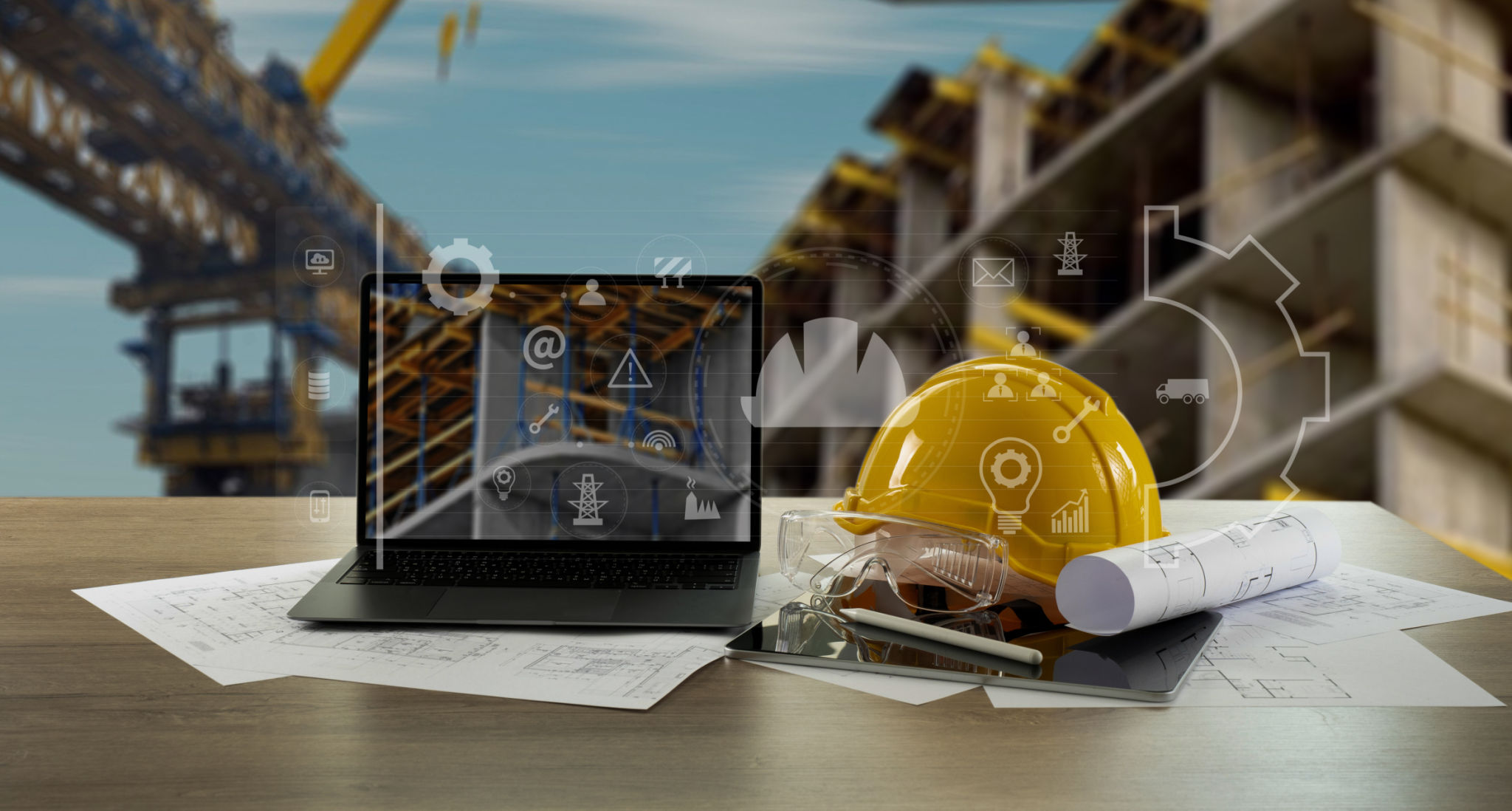
Several AI-driven tools are available to enhance construction planning:
- Building Information Modeling (BIM): AI-powered BIM tools offer real-time data analysis and visualization, aiding in effective project management.
- Smart Scheduling Software: These tools use AI to optimize project timelines and allocate resources efficiently.
- Risk Management Systems: AI systems can predict potential risks and suggest mitigation strategies, ensuring project continuity.
Challenges and Considerations
While AI offers numerous benefits, there are challenges to consider. The integration of AI requires a significant investment in technology and training. Additionally, there may be resistance to change within traditional construction teams.

To address these challenges, companies should focus on change management strategies and invest in comprehensive training programs to ensure team members are comfortable with new technologies.
The Future of AI in Construction
The future of construction planning is closely tied to advances in AI. As technology continues to evolve, AI will likely become more integrated into all stages of construction, from design to completion. Embracing AI now will position companies at the forefront of innovation, ready to capitalize on emerging opportunities.
In conclusion, AI-enhanced project planning represents a significant advancement for the construction industry. By leveraging AI, companies can improve efficiency, reduce costs, and deliver projects on time and within budget.